Pip
Join
Now testing with the first families

Your child speaks English every day. You don't have to.

A screen-free companion your child wears — on the wrist, around the neck, or clipped to a strap — that holds a real conversation in English with 3–5 year olds. Patient, endlessly repetitive, and always up for one more round.

No always-on listening. Nothing your child says is stored. No camera, no ads, no training on their voice.
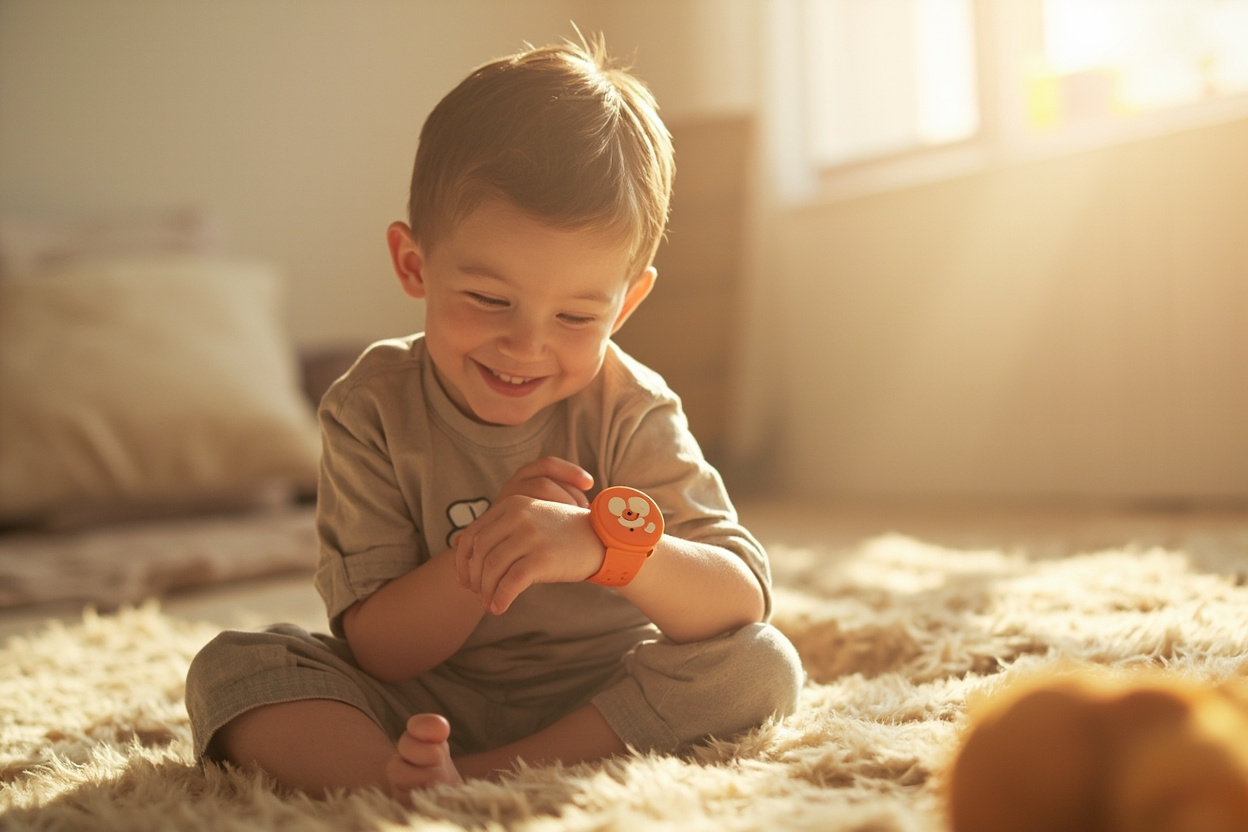
A young boy smiling at the Pip companion worn as a watch on his wrist
"Say it with me: one… two… three!"

One companion, three ways to wear it

Wherever your child goes, Pip goes too.

The same pebble pops out and clicks into whichever mount suits the day — and the child. Three-year-olds chew necklaces; five-year-olds lose clips. You'll find your favourite.

Pip worn as a watch on a boy's wrist

On the wrist

A chunky, kid-proof watch strap. Always there, hands stay free — the default for most families.

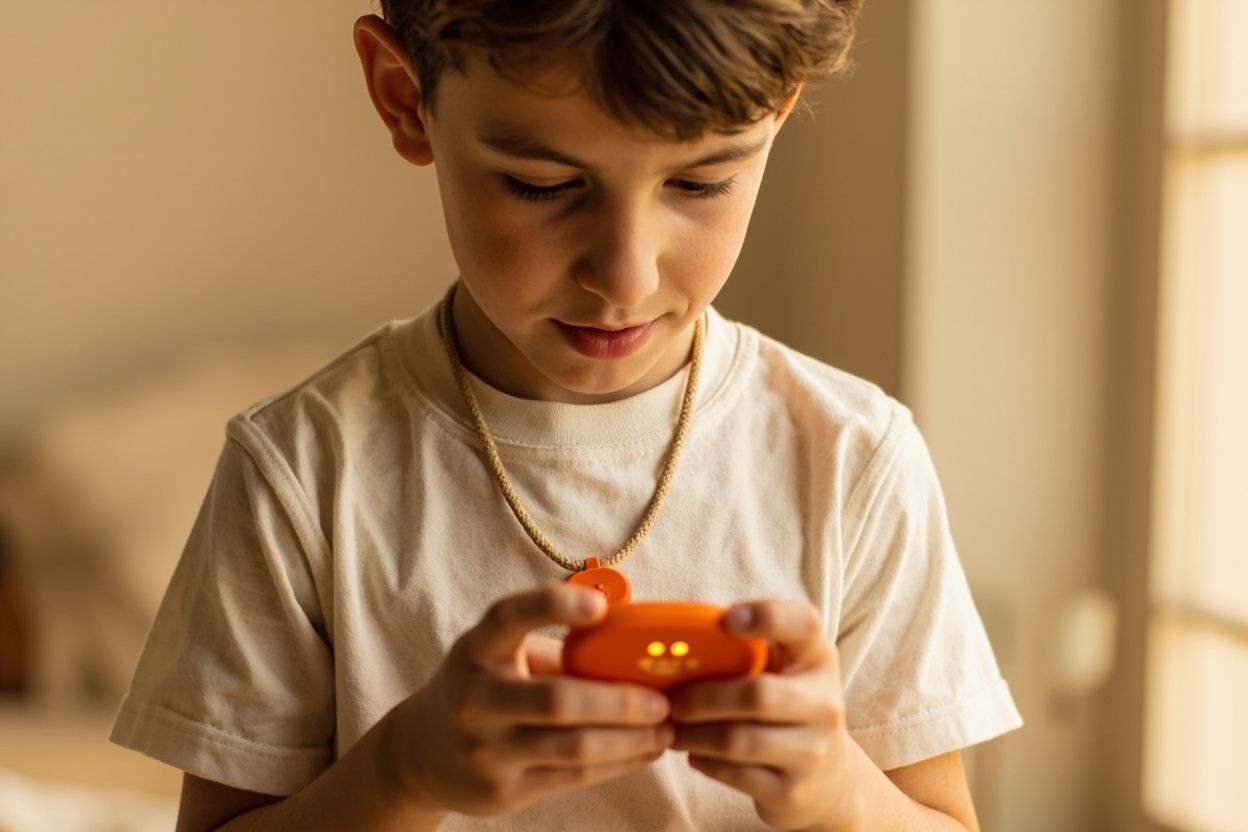
A boy holding the Pip pendant worn on a soft cord necklace

Around the neck

A soft breakaway cord. Pip sits close enough to whisper to — and the clasp releases if it snags.

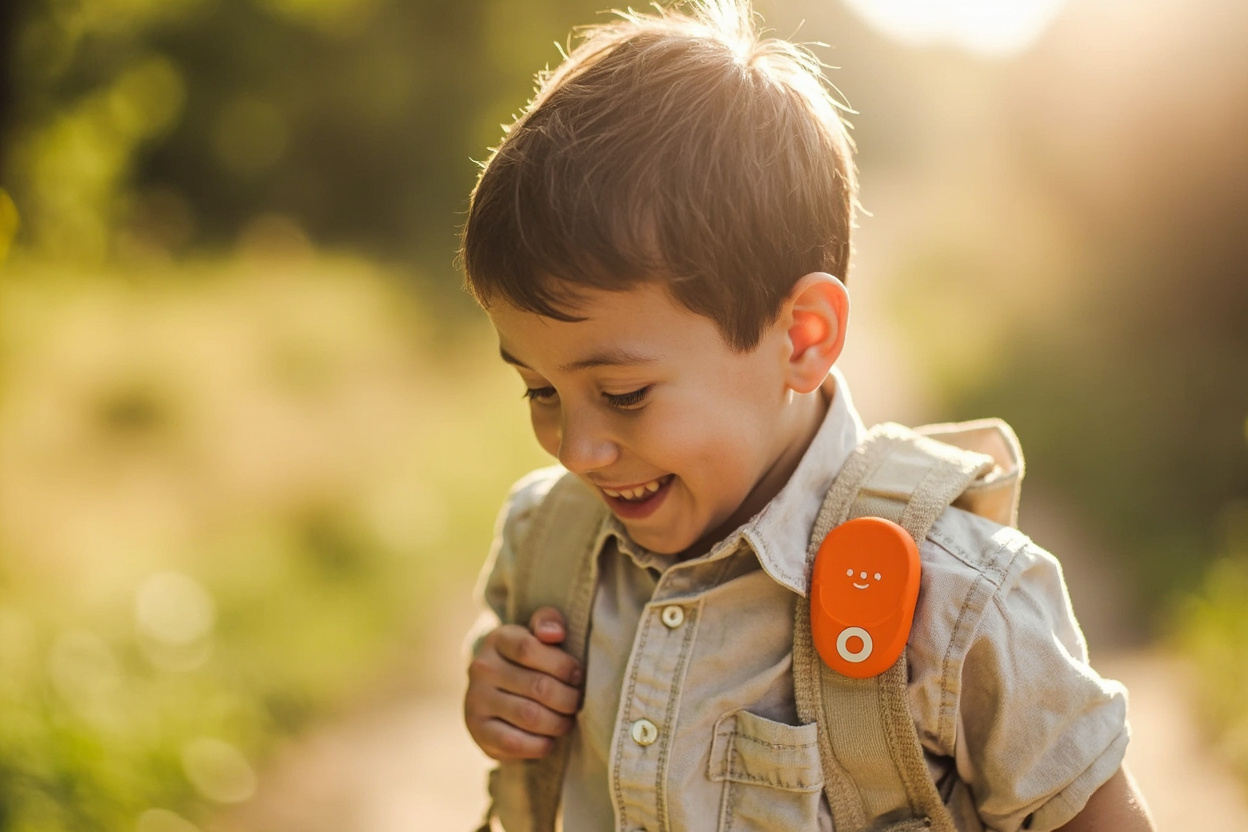
Pip clipped to a boy's backpack strap outdoors

Clipped to a strap

Backpack, buggy, car seat. The clip mount rides along on the school run and keeps the conversation going.

Why parents choose it

Four things it does that nothing else in the room does.

Learns English

Real spoken conversation, every day. Speaking — not reading — is what matters at 3, 4, 5.

Private by design

Wake-word only. Audio is processed and discarded — never stored, never trained on.

No screen

No reading, no video, no tapping. The display is a face, not content. Voice is the whole interface.

No hand-holding

Your child uses it alone. You don't practise with them — that gap is the whole reason it exists.

How it works

A real conversation, not a recording.

Cloud-primary: the device holds a live spoken conversation over Wi-Fi. When the connection drops, it falls back to a local content cache — it keeps talking, just doesn't improvise.

  1. 1

    It listens when spoken to

    A press or a wake word turns it on. Nothing is always listening — the mic is gated, by design and by privacy posture.

  2. 2

    It holds the conversation in English

    Stories, games, rituals, and patient repetition — the same word forty times if that's what today needs. Repetition is the pedagogy, not a limitation.

  3. 3

    It tells you how it's going — in your language

    Every week, a short summary for the parent: the words they tried, the ones that stuck. So a non-English-speaking parent can actually tell whether it's working.

The weekly summary

How you know it's working — without speaking English.

This is what stops the device ending up in a drawer. A non-English-speaking parent has no other way to tell. So we send it: the words they tried, the ones that stuck, in your language.

  • One short message a week, not a dashboard
  • Built from structured events, never from stored audio
  • In your language — Portuguese, Spanish, Italian to start
Pip · Semana 3
Terça-feira

A Sofia falou inglês 6 dias esta semana. Tentou 42 palavras28 ficaram.

Palavras que ficaram

hello one two three again dragon goodnight

História preferida

"The dragon who lost her voice" — ouvida 11 vezes.

The trust transaction

Nothing your child says is stored. Nothing is trained on.

An always-on mic on a child is heightened-protection territory. So we don't have one. The privacy posture is the marketing — and the compliance.

Wake or press only

No always-on listening. The mic is gated.

Audio processed, discarded

Never stored. Only structured progress events persist.

No training on your child

No profile, no ads, no model fine-tuning.

No camera

There isn't one. Voice is the whole interface.

GDPR-shaped

Wake-gating and no-storage are the compliance posture.

Works offline

The cache keeps talking when Wi-Fi is out.

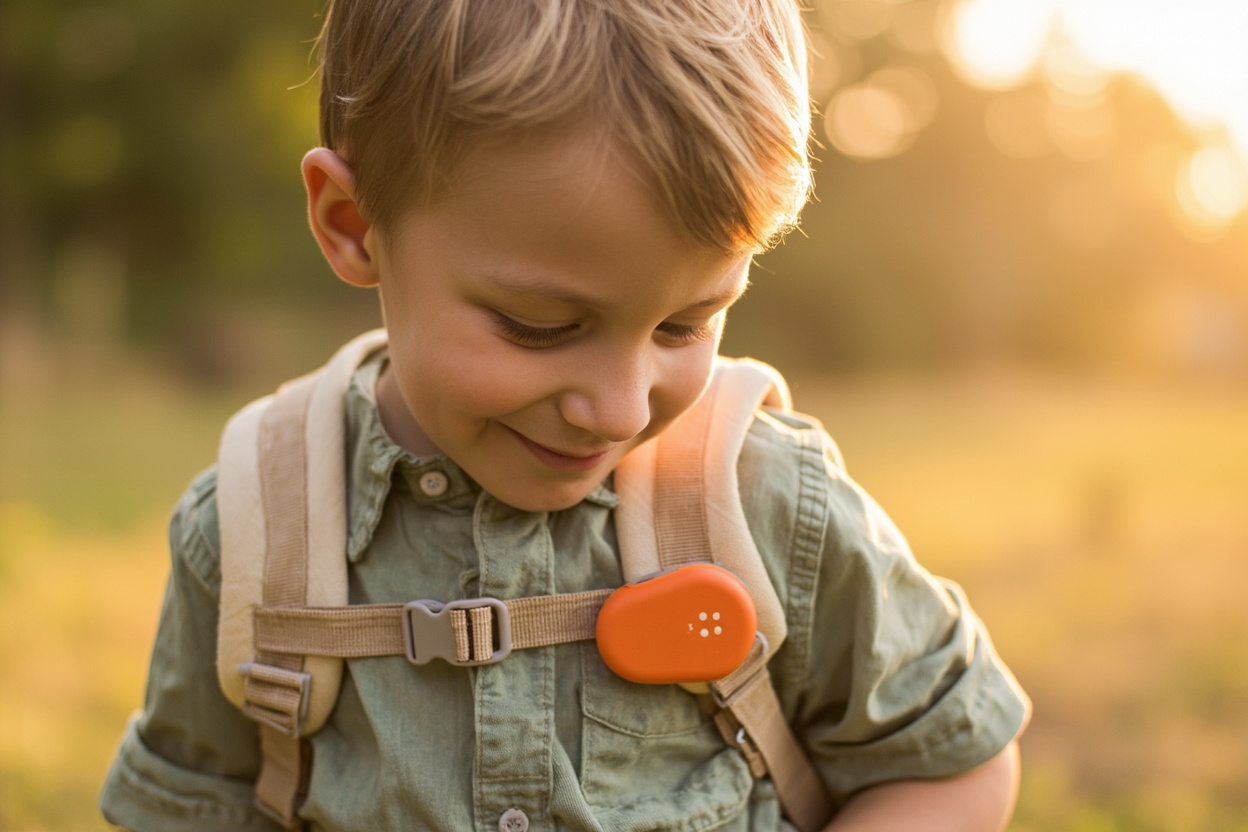
A boy outdoors with Pip clipped to his backpack strap, away from Wi-Fi
Wi-Fi offline · cache mode

"You want the dragon story again? Okay. One more time."

When the Wi-Fi is out

It keeps talking. Just doesn't improvise.

Offline should feel intentional, never broken — but it is the safety net (car rides, holidays, router outages), not the show. Stories, songs, phrase fragments, rituals — all on the SD card. The cache is graceful degradation, and the buffer logs what your child reached for, so the next sync pulls more of it.

What a skeptical parent asks

In order.

Will my child actually talk to it? +

We'll show retention data from the pilot, not claims. The week-6 test asks one question: does the child return to it on day 3? If yes, the rest is detail.

Is it another screen? +

No. No reading, no video, no tapping. The display is a face, not content. Voice is the whole interface — that's the point of picking 3–5 year olds, who can't use apps anyway.

Is it safe to wear? +

The necklace cord is a breakaway clasp that releases under load, the wrist strap is soft silicone with no small detachable parts, and the pebble itself is one sealed chew-safe unit. Wearables for this age are designed around snag and choke risk first.

Is it listening to my child all day? +

No. Wake-word or press only. Audio is processed and discarded, never stored. Only structured progress events (which story, how long, what time) persist — and never as raw audio.

How will I know if it's working, if I don't speak English? +

The weekly progress summary — in your language. The words they tried, the ones that stuck. It's a small feature, but it's what stops the device ending up in a drawer.

What happens when the Wi-Fi is out? +

The cache. It keeps talking from its local repertoire — stories, songs, rituals — it just doesn't improvise a brand-new conversation until the connection is back. Offline is the safety net, not the show.

Your child speaks English out loud every day — without you, without a screen.

We're testing with the first families now. No deposit, no commitment — just tell us you're curious.

One email. We'll tell you when we have a device in your area. That's it.